Metaverse Experiments
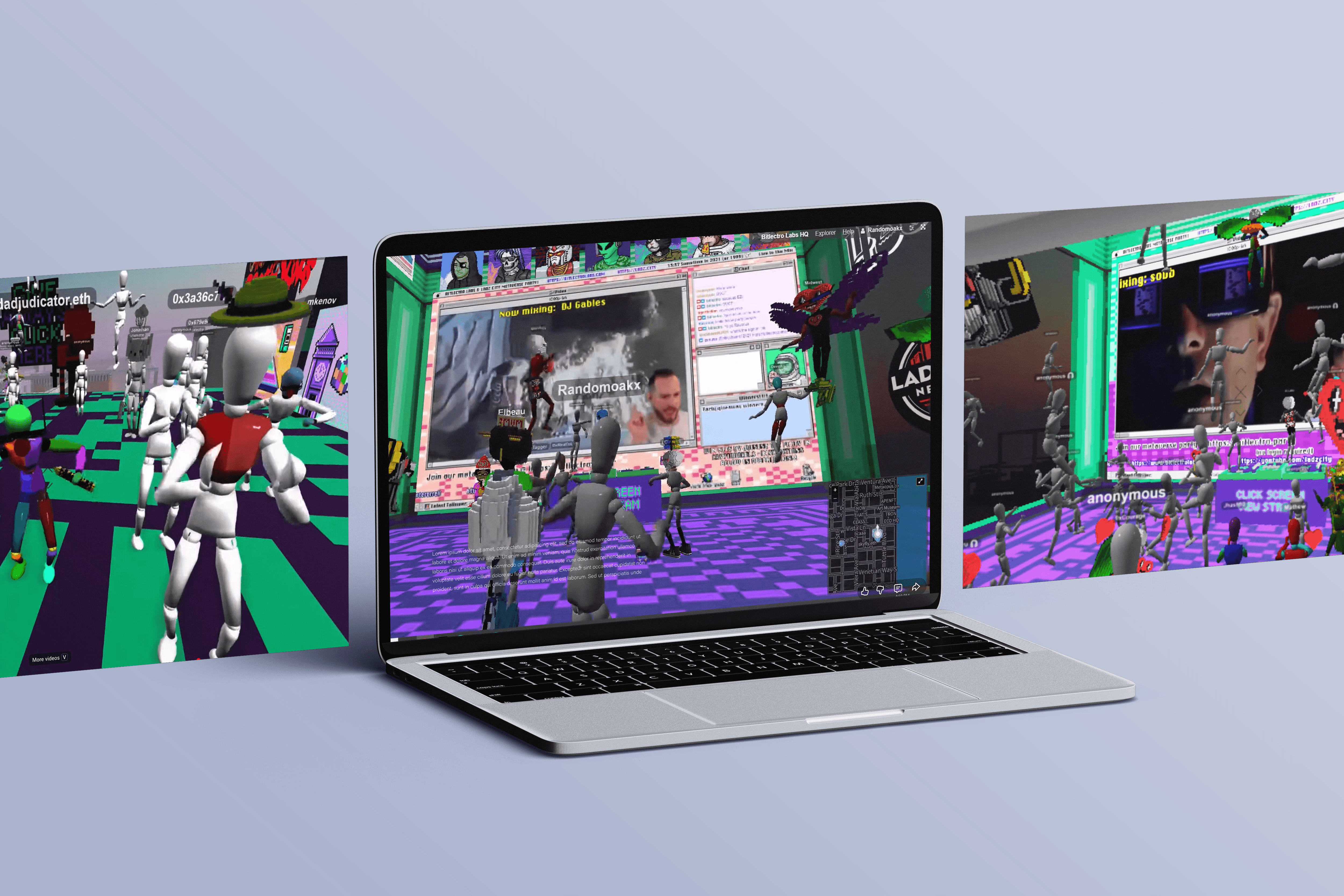
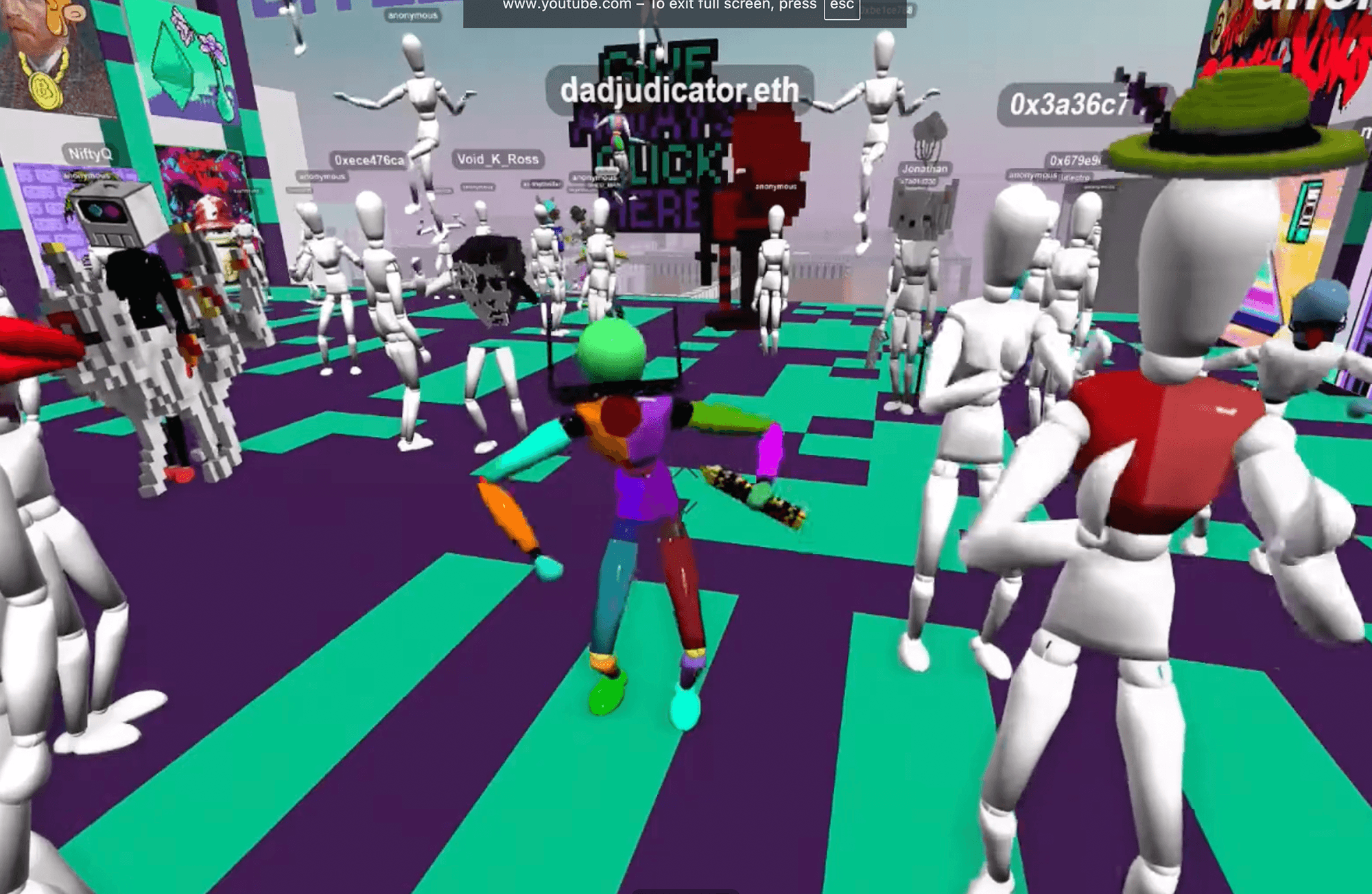
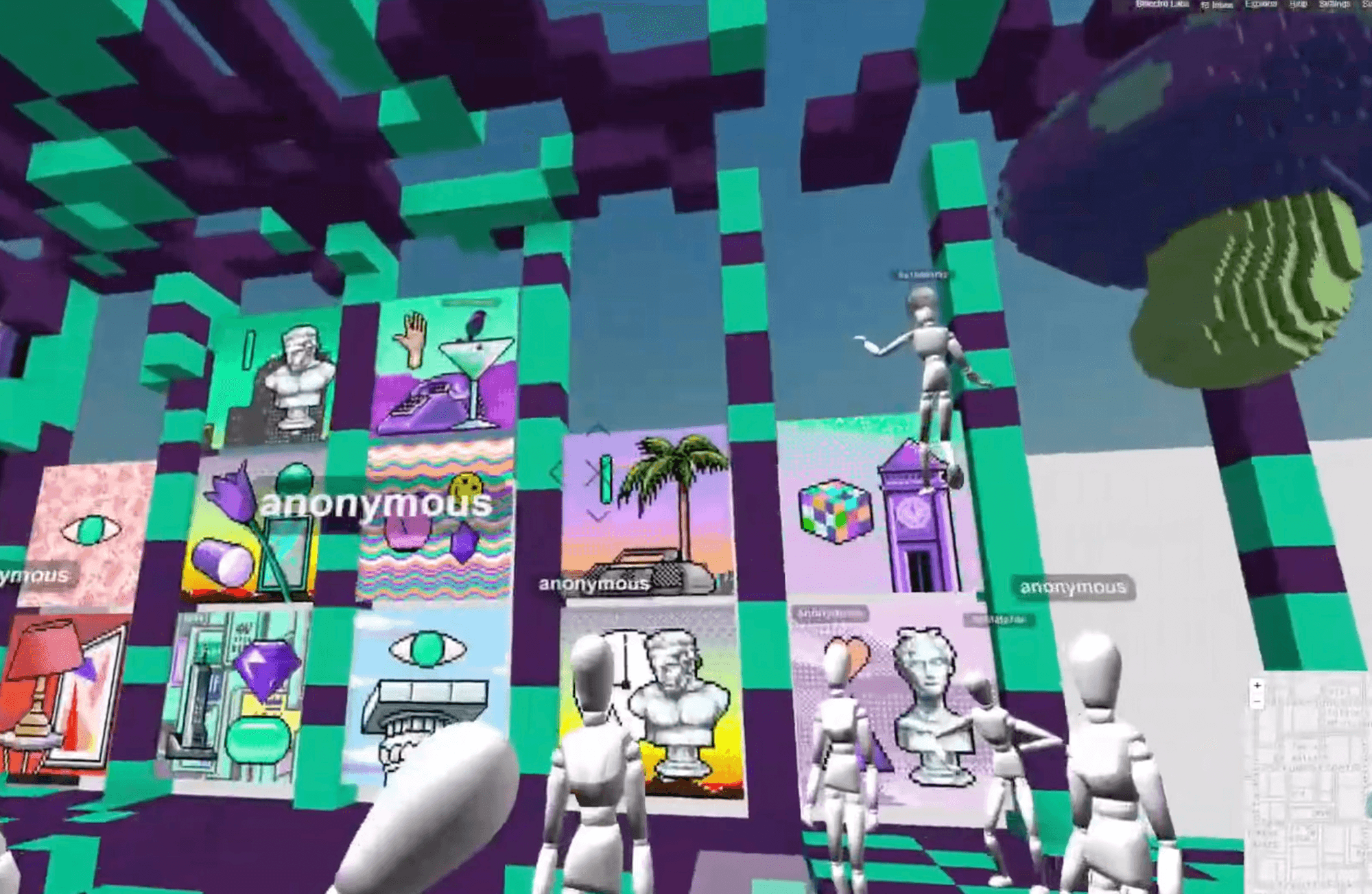
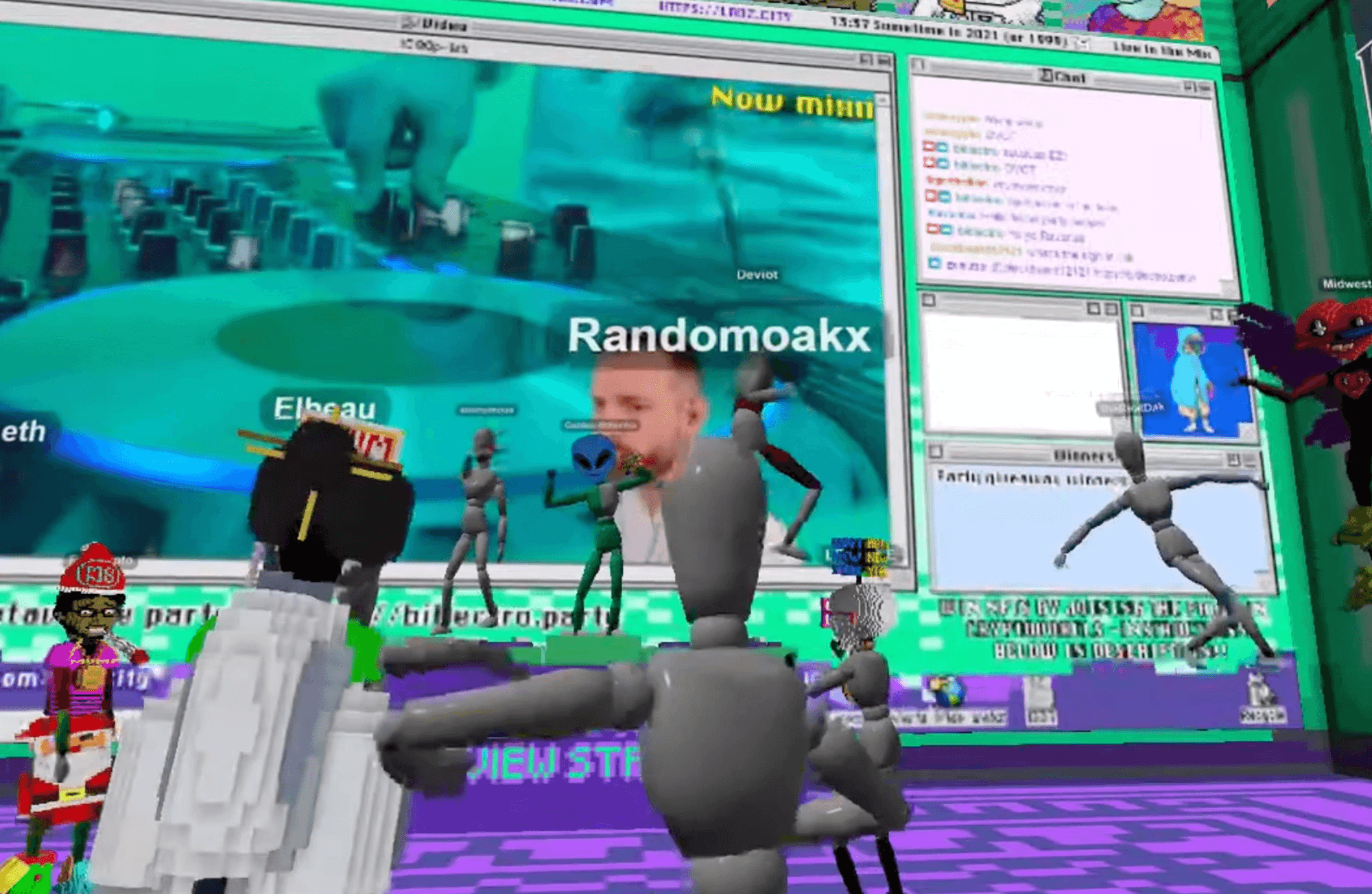
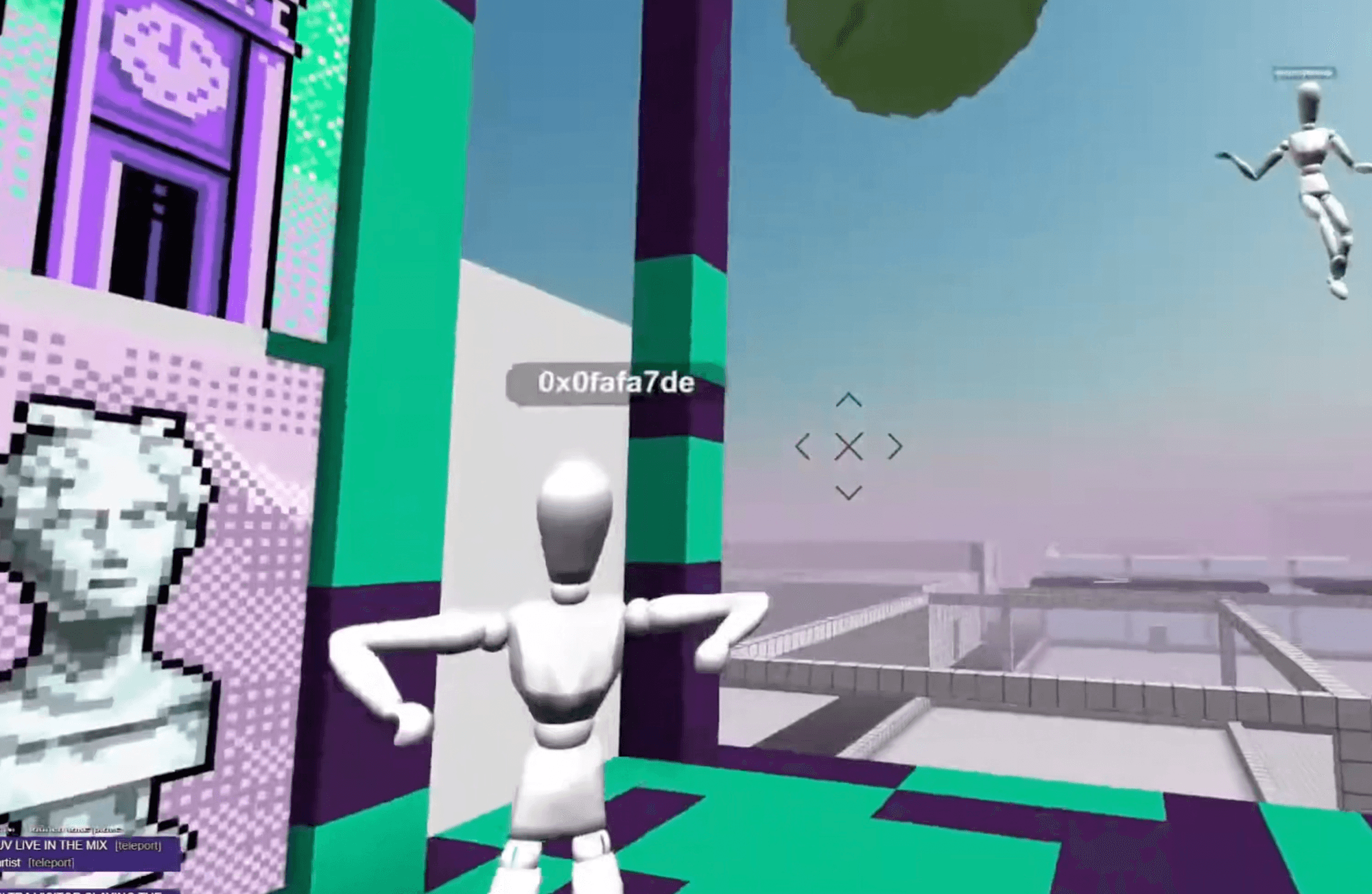
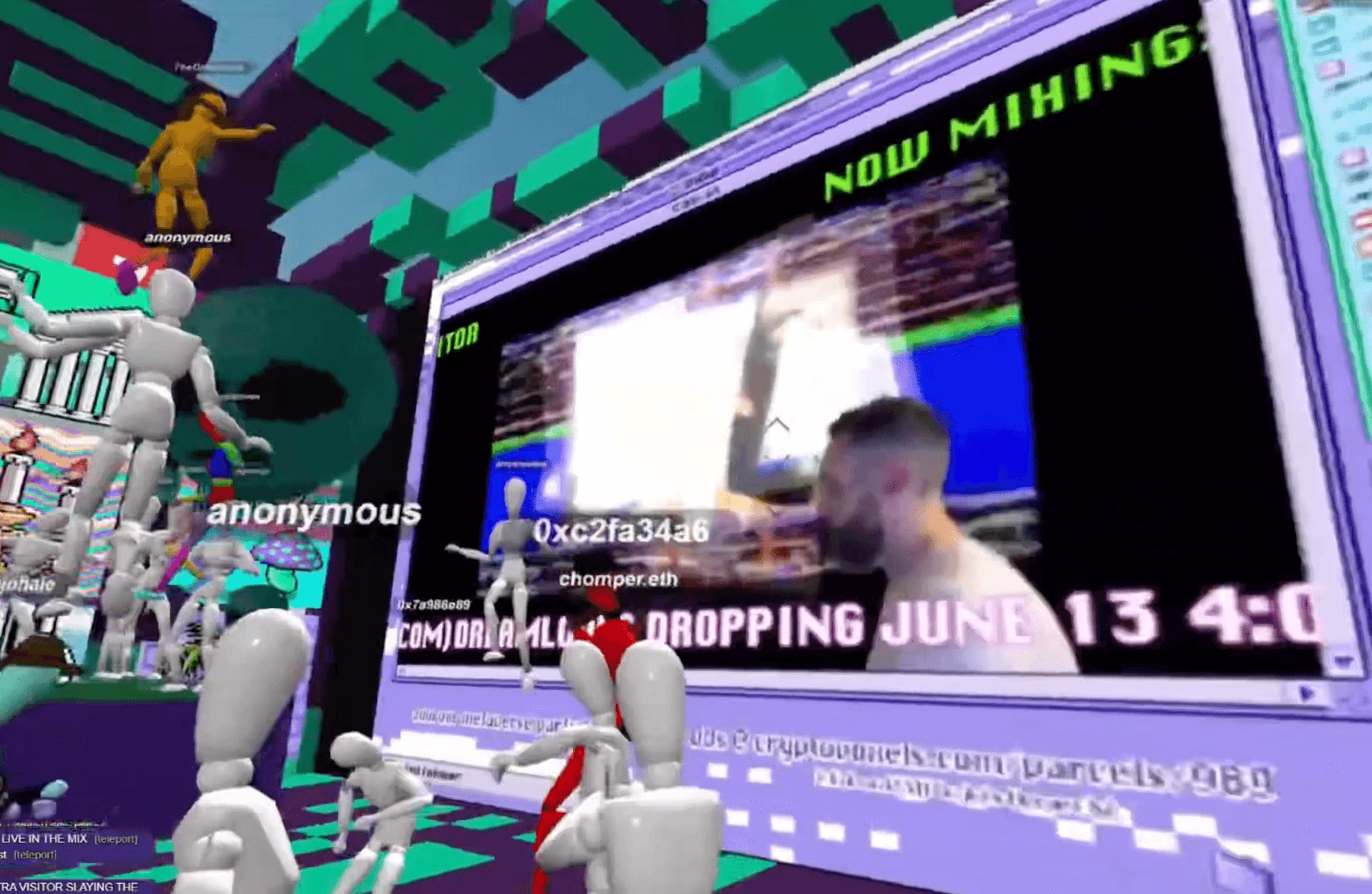
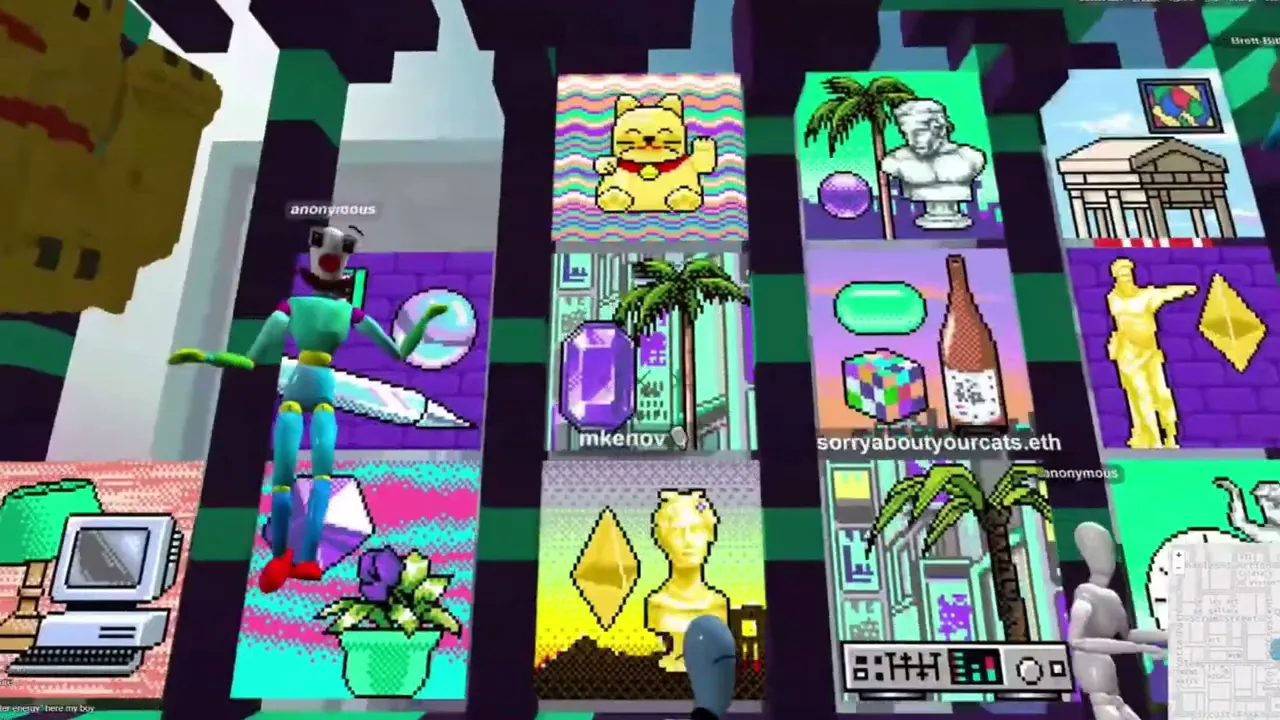
A byproduct of the COVID-19 lockdowns, the metaverse parties were an experiment in collective user-action; fusing elements of video collage, gallery curation, real-time 3D metaverse environments, and livestreaming. Utilizing publicly available metaverse platforms (e.g., Cryptovoxels, and sometimes Decentraland), friend and collaborator Keil Corcoran (of the band STRFKR) and I staged these events over the course of two years with a nearly monthly frequency. These events typically ran for 3 to 5 hours, and included a mix of DJ sets (primarily performed by me), with occasional guest DJs and live musical performances. The virtual 3D metaverse spaces included curated digital artworks, many of which were from digital art collections created by Keil, stored as NFTs. The events would routinely gather 1,000s of unique visitors per event, with typically 200-400 concurrent users at any given time within the digital 3D space. Users could interact with one another via text or proximity chat, don custom avatars, and virtually dance while exploring the 3D space. At the time of writing this (January 2026), these events are in all likelihood the highest traffic metaverse parties ever produced.
The “metaverse” was used as a buzzword among Web3 proponents during the COVID-19 Web3 boom. The elephant in the room about these types of digital spaces is that they were nothing new in the canon of digital experiences; proverbial metaverses have existed since the advent of multi-tenant digital spaces, with arguably the earliest examples being online MMOs like Ultima Online or Everquest around the turn of the century. A sandbox style metaverse emerged with the advent Second Life in 2003. Several decentralized metaverses were developed during the COVID boom however that did offer some innovations (e.g., embedded live streaming, ease of file format support) that facilitated the production of our free to attend metaverse parties outside of centralized application rails (users could participate in their browser or on a mobile phone).
I was a DJ through many of my formative years, in the early 2000s as part of Las Vegas’ nascent rave scene, playing desert raves and guerrilla style events in the corners of the city. A decade later I was a more successful DJ playing as a duo known as “Totescity” within Vegas’ nightclubs and Fremont street bars - as part of the late bloghouse and indie dance craze of the late 2000s and 2010s. Totescity events frequently featured video collage accompanying our musical sets. The metaverse events were a natural extension of this, employing many of the visual and auditory production skills I learned in physical venues.
Category
/
Metaverse Experiments