Writing
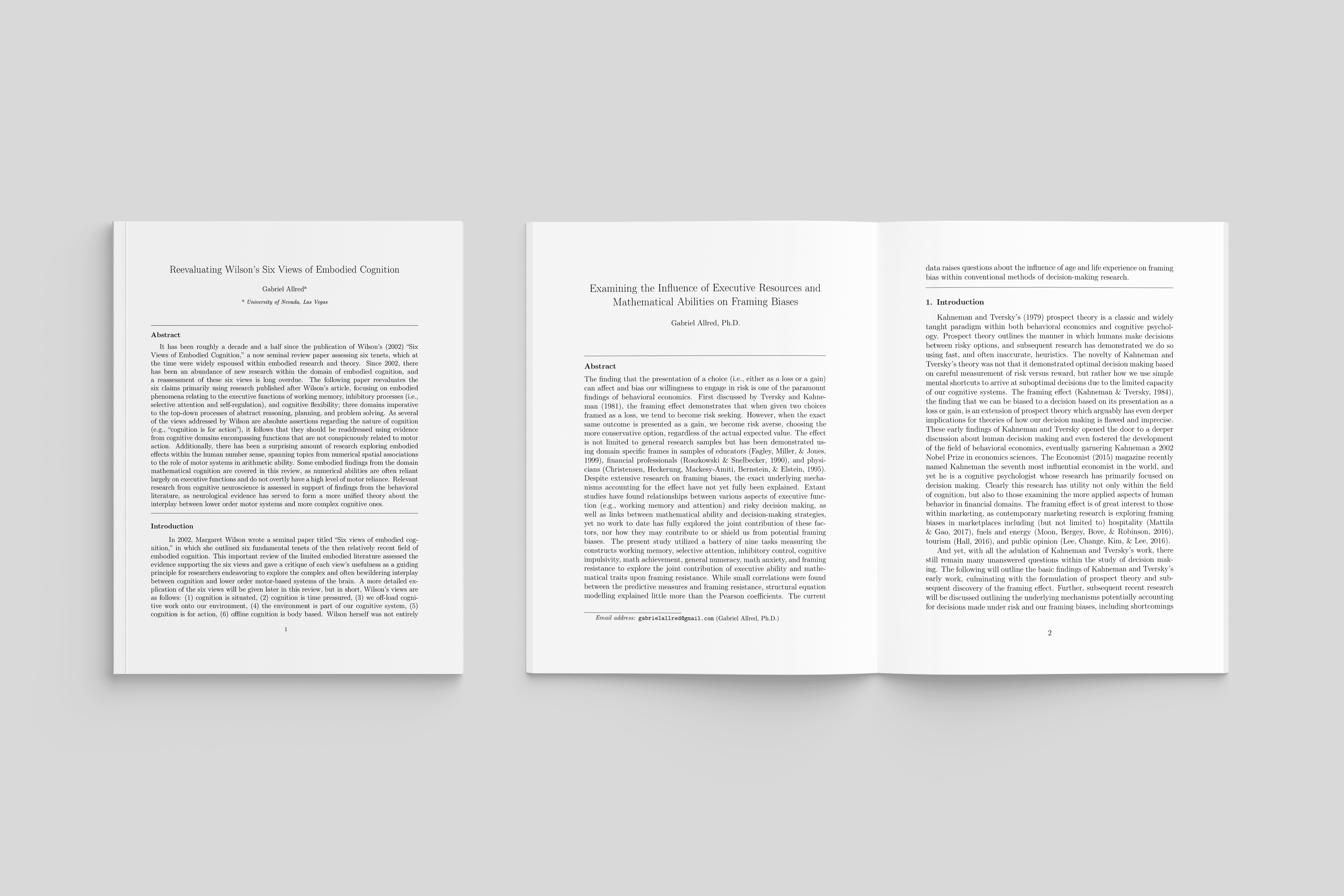
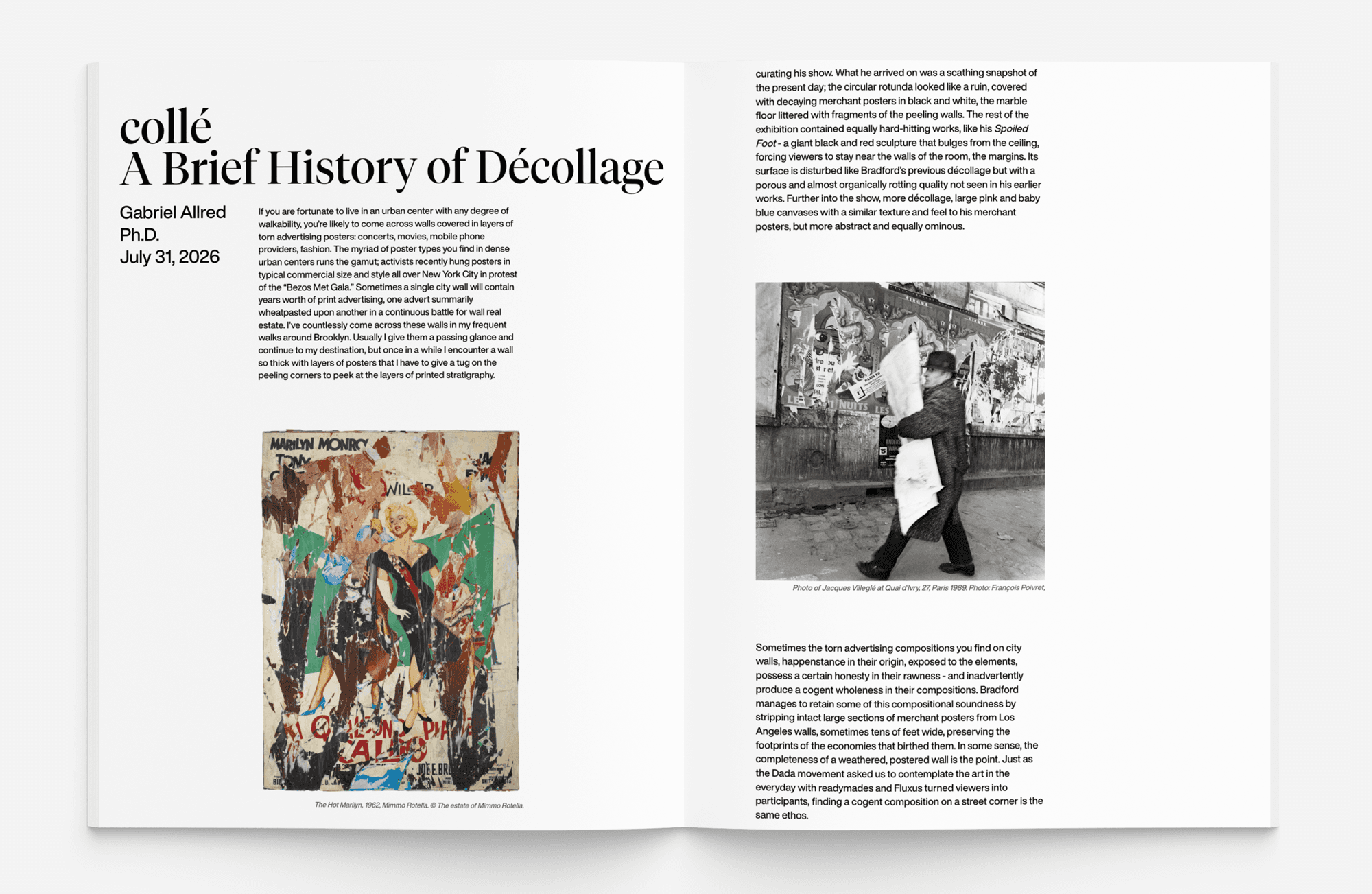
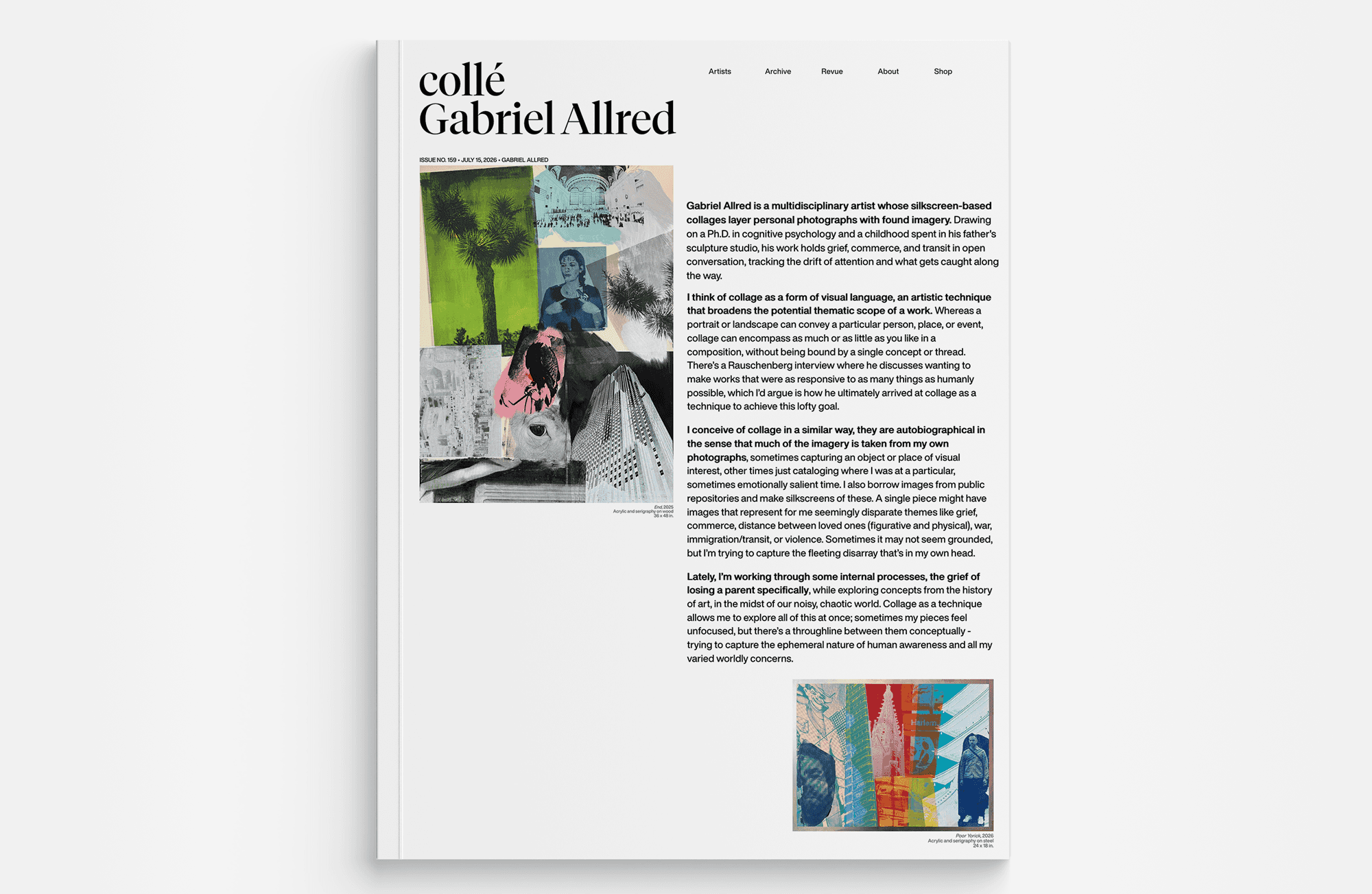
Below are four selections of my writing, the first a recent article; A Brief History of Decollage, written for Collé. The second is an interview feature discussing my own artistic practice.
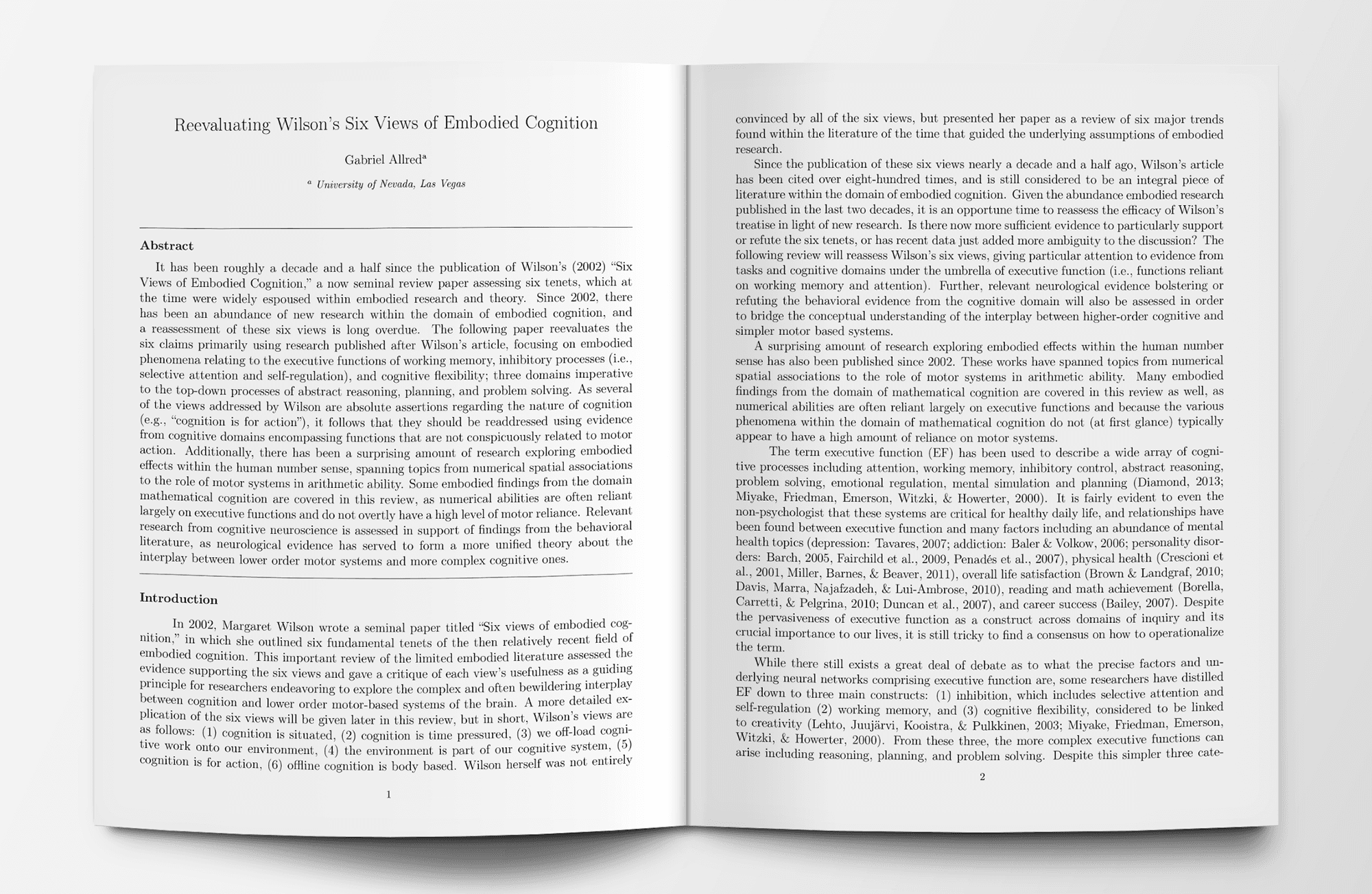
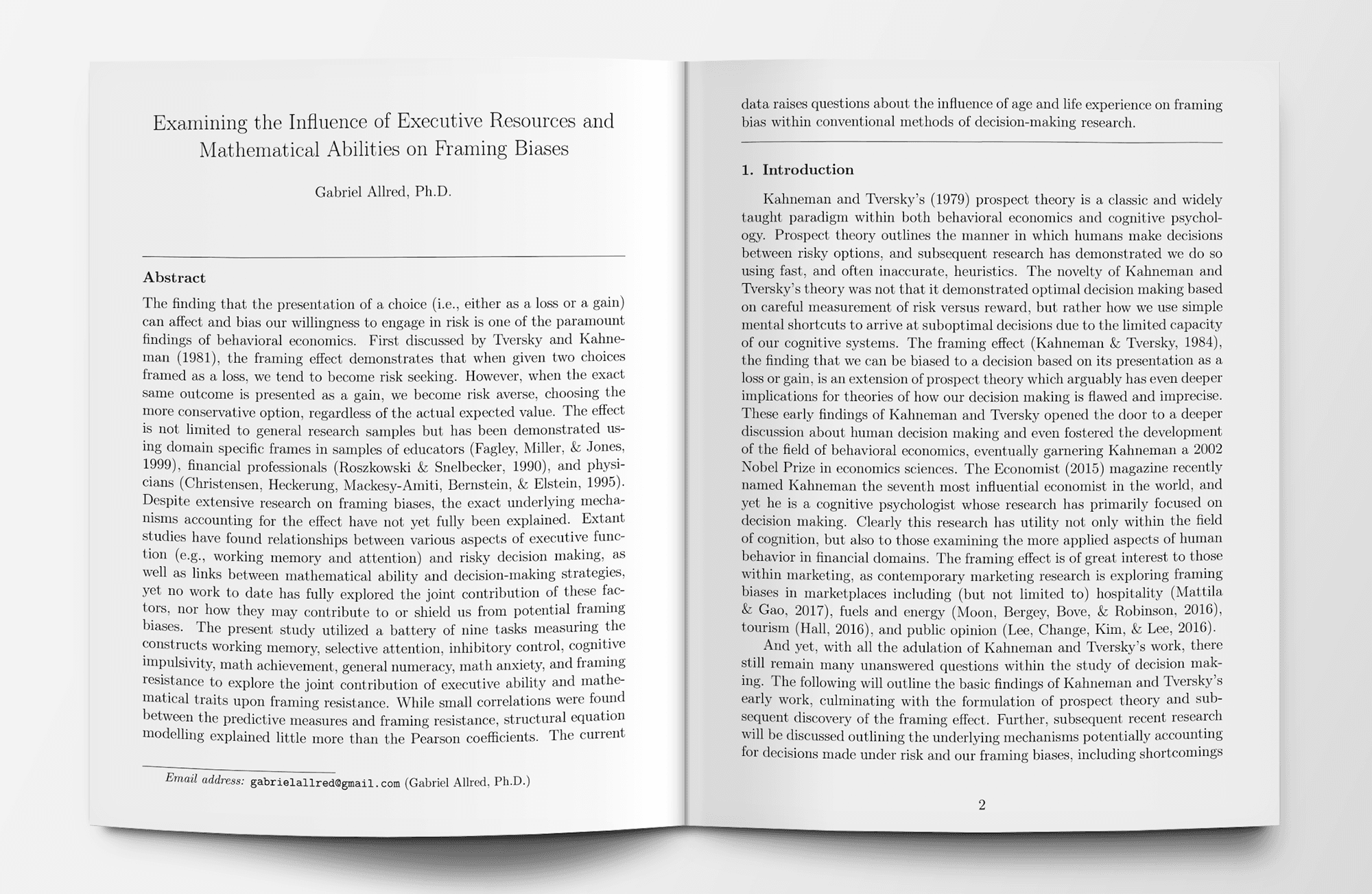
Two long form pieces from my academic days reside here, these aren't so much a part of my artistic practice, but rather pieces of my former life that are still indicative of a large part of my worldview (spending a decade working in any discipline will color one’s paradigm). I am an empiricist by training, and perhaps a cognitivist too, but these labels, like so many of the phenomena and systems described in modern psychology (and cognitive science too) are constructs (e.g., working memory, attention, phonology), they do not “exist” in any corporeal sense, yet the byproduct of their internal workings manifest in our behaviors.
In some ways my training as a cognitive psychologist influences my artistic practice. The study of implicit processes in the brain and my understanding of human heuristics colors my decision making process when executing a piece. Heuristics are quick and dirty rules that influence how we make judgements (like why more people are afraid of air travel than horses - despite horses being the more quantifiably dangerous of the two). Heuristics are largely driven by the frequency in which we encounter things in our day to day lives, whether through experience or media consumption. As such, in my own decision making when producing a piece of art, I sometimes attempt to induce specific implicit associations based on common heuristic failings when selecting my imagery.
There’s something funny to me about psychologists - it’s a very heterogeneous field (we study all attributes of human behavior; social, cognitive, clinical, workplace, etc.) - and yet among the psychologists I have worked with over the years, there tends to be a lack of confidence in their willingness to make broad sweeping claims about the nature of human behavior. The more you learn, the more you realize there’s still so much we don’t understand about humans. And yet, most non-psychologists think they have a strong understanding of human nature and behavior, or as I like to say “everyone is an armchair psychologist.” Now, I’m currently shifting my public identity away from “psychologist” and toward “artist.” Coming from a discipline where the general public all thinks they have a strong understanding of your field, I now sometimes wonder what more formally trained artists think of my interloping. (I spent the first decades of my life painting and drawing, but then went in another direction, now I’m doing again what I did in my formative years).
Here’s a related anecdote: James Turrell, the master of light installation, is often noted in his biographies as having studied “perceptual psychology.” As a discipline, it’s not really something one specializes in, it’s really a core set of principles and descriptive phenomena describing our sensory systems - and you essentially cannot specialize in “perception” in any current graduate level program - it’s something you’re expected to know (especially in the fields of cognition). However this blip of study in his early years always seems to bolster his artistic cachet (as if it needs any, his works are marvelous). So now, does my study of human cognition give any additional cachet to my artistic practice?
Click on the paper thumbnails below to read my long form work.
Category
/
Writing